
A Sydney studio built around product work
Brain Stream Australia is a digital product studio working from Harris Park in Western Sydney. We design and build mobile apps, websites, e-commerce stores and the UX/UI systems behind them. The studio exists because most clients were tired of managing four suppliers for one product, and because design and development decisions get better when the same people make both.
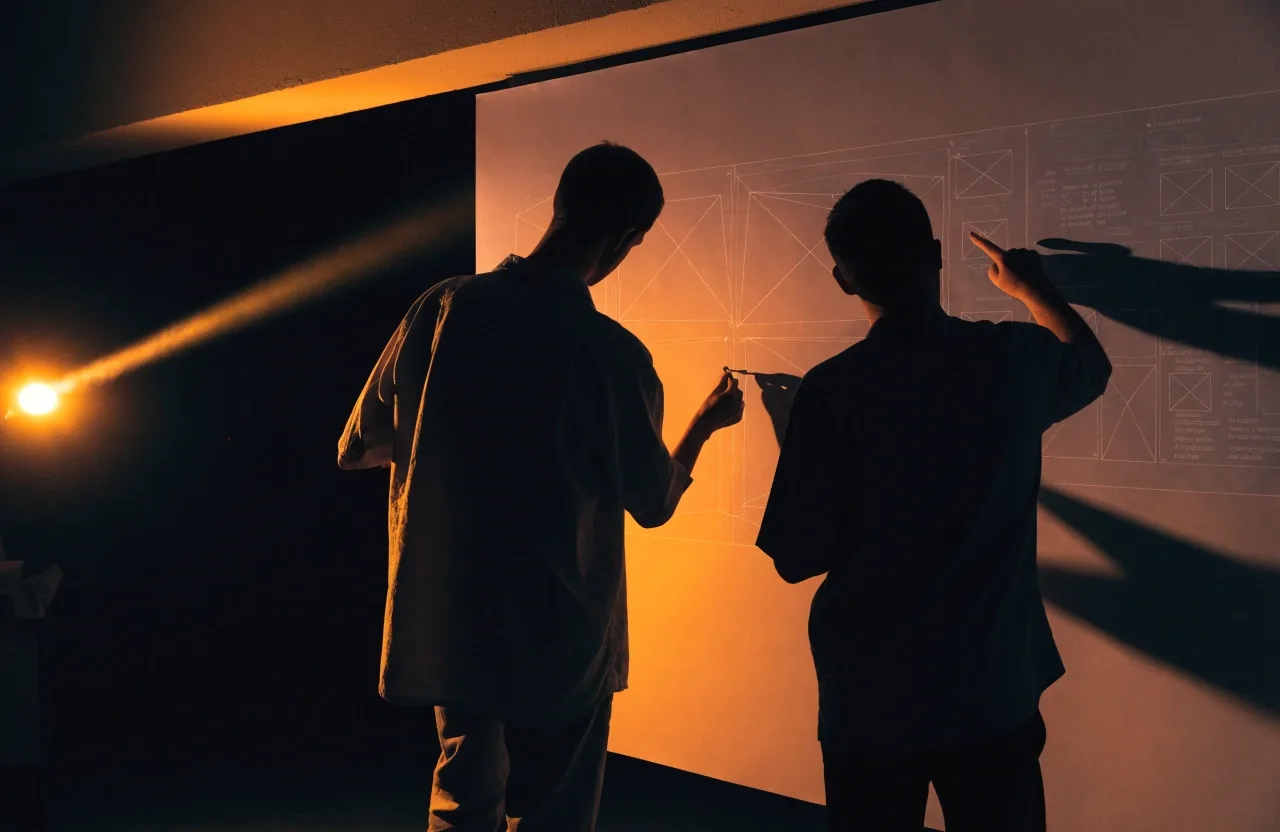
harris park, nsw — the studio on the wall
Who we work with
Our clients are Australian businesses and product teams at different stages. Some are retail and e-commerce operators whose store has outgrown its platform. Some are service businesses with a website that no longer matches how they sell. Some are founders taking an app from concept to first release.
We also work with in-house product teams who need design capacity or development support on a defined piece of work rather than a full engagement — a single screen rebuilt, a checkout flow tested, a release prepared for review.
Retail and e-commerce
Stores that have outgrown the platform they launched on, or that need the buying journey rebuilt before more traffic arrives.
Service businesses
Sites that describe the old business rather than the current one, where enquiries get lost between the page and the inbox.
Founders and product teams
First releases from concept, or extra design and development capacity inside an existing team.
How we approach design and engineering
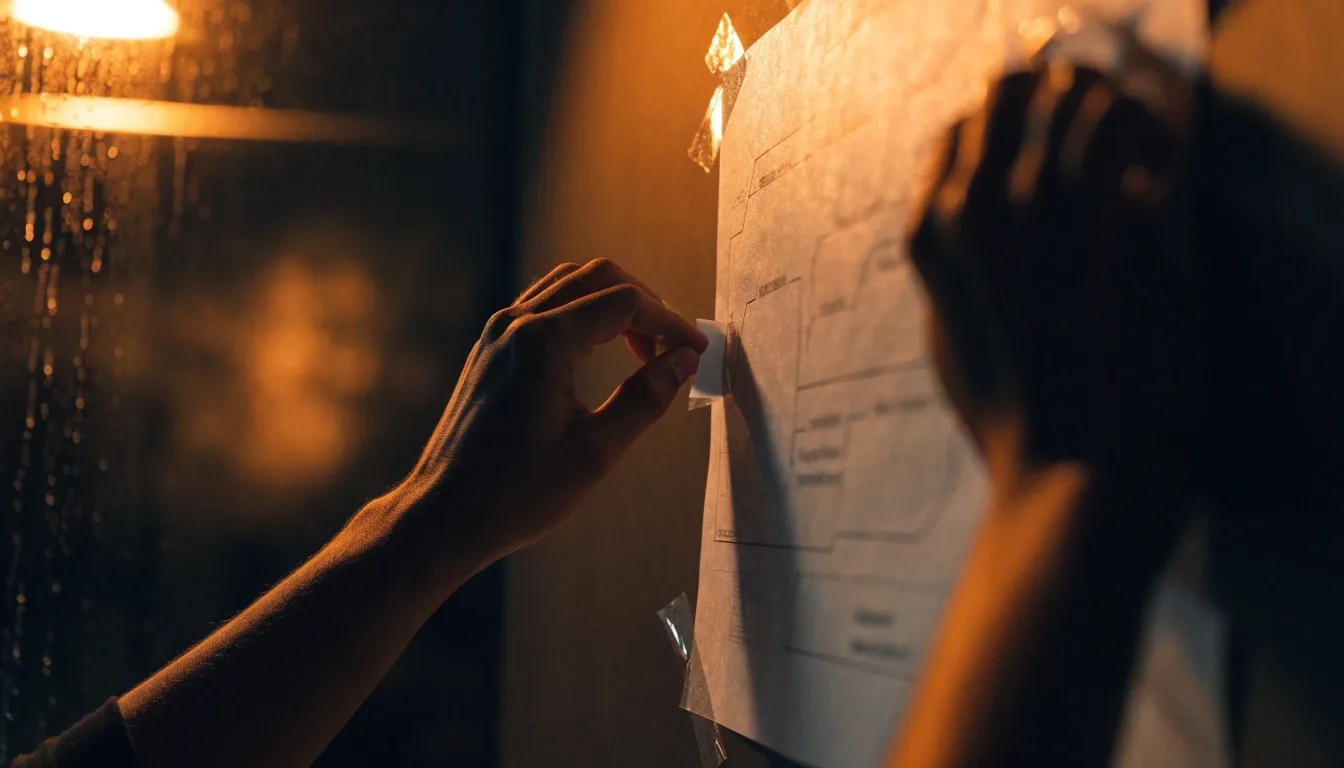
Design and development sit in the same conversation here. Wireframes get reviewed by whoever will build them, and build decisions get reviewed against what the design was trying to achieve. That's not a process diagram, it's a practical way to avoid the two most common failure modes: designs that can't be built as drawn, and builds that miss the point of the design.
In practice that means a designer and an engineer are usually looking at the same file on the same day. When a layout depends on a component library that doesn't exist yet, the person building it says so before the client has approved a screen that can't be made. When a build needs to change an interaction to work on older phones, the design intent gets checked first, not the deadline.
Figma and version control are the shared workspace for both sides of the work. Screens, states and edge cases live next to the branches and pull requests that carry them into production, so the handoff is a repository state, not a folder of exports.
What the shared workspace holds
- Screen flows and edge cases in the same file the build reads from
- Component states reviewed against what the platform actually supports
- Accessibility notes attached to the screen they affect
- Build branches named after the work they carry, not the sprint they sit in
What we won't do
Every studio has a short list of work it turns down. Ours is written down so nobody has to guess at it later.
No manufactured urgency
We don't use countdown timers, invented stock warnings or fake scarcity on e-commerce work. If a sale has a real end date, the client sets it and it is theirs to defend.
No results we can't verify
We don't publish client outcomes, percentages or rankings we cannot point to a source for. Where a number matters, it comes from the client's own analytics, in their own report.
No copy-without-understanding
We don't take on projects where the brief is to reproduce a competitor's product without understanding why it works. Cloning a screen copies its problems too, and nobody can maintain it.
No work the project doesn't need
We'll tell you when a project doesn't need us, whether that's because a no-code platform would serve you better or because the problem is internal and no rebuild will fix it. That conversation is free and it stays on the record.
Working principles
Write things down
Decisions that live in someone's memory get lost at handoff. Scope, open questions and agreed changes go into a shared document the client can read at any time.
Prefer the boring solution
A well-supported plugin beats a clever custom build if it does the job. Custom code is for the parts of your product that are actually yours.
Flag problems early
Raise the issue while there is still room to change the plan. Surprises at the end of a project are almost always avoidable, and keeping the client in the loop on scope is cheaper than rework.
The team and how we're set up
We're a small studio, deliberately. Projects are run by the people doing the work rather than passed to an account layer. That means the person in your kickoff call is usually the person reviewing your build.
For larger engagements we bring in trusted collaborators, and we'll tell you who they are and what they're doing before they start. If a specialist is joining for accessibility review, content migration or platform work, their name and their scope are in the same document as the rest of the plan.
Kickoff call
with the people doing the work
Design and build review
one shared file, both sides present
Collaborator introductions
named before they start
Scope checkpoints
before the work moves on
Where we are
The studio is at Suite 1, Shop 1, 7F Parkes Street, Harris Park, NSW 2150. Harris Park sits next to Parramatta, which makes it straightforward to reach clients across Greater Sydney by train or car.
We work with clients elsewhere in Australia as well, running workshops and reviews over video with shared files so nothing depends on being in the same room. Time zones inside the country are close enough that a workshop morning works for Perth and a review afternoon works for Auckland-adjacent teams.
Studio details
Suite 1, Shop 1, 7F Parkes StreetHarris Park, NSW 2150, Australia
Monday to Friday, 9:00 AM – 6:00 PM
Plan a visitHow we stay current
The tools change faster than the principles. Figma adds features, React Native releases updates, accessibility guidance gets revised. We keep current by using the tools on real projects rather than reading about them.
Published guidance is working material here, not marketing. Where a standard exists and applies to your project, we'll follow it and tell you why.
Apple Human Interface Guidelines
The reference we check iOS screens against before they go into a build, especially around navigation and touch targets.
WCAG
Contrast, focus order, form labels and keyboard behaviour are checked against these success criteria during review, not after launch.
Australian Government Design System
A useful reference for public-facing services, forms and content patterns where plain language and predictable layout matter most.
Figma and version control
Our own working set: design files, component states and build history kept together so a decision can be traced back to the screen it changed.
Ready to talk about your product
Whether you are starting from a concept, rescuing a build that has drifted, or adding design and development capacity to an existing team, the first step is a short conversation about what the product is supposed to do.